
Meet the builders who integrated RideScan across diverse robotic platforms, using real telemetry pipelines and rigorous safety experiments.
.jpeg)
A Physical AI safety case study: built fault diagnosis and spatial risk localisation on top of RideScan for a fleet of six ANYmal C quadrupeds, reaching 89.4% fault classification accuracy and pinpointing the exact route location of injected hazards.
View case study →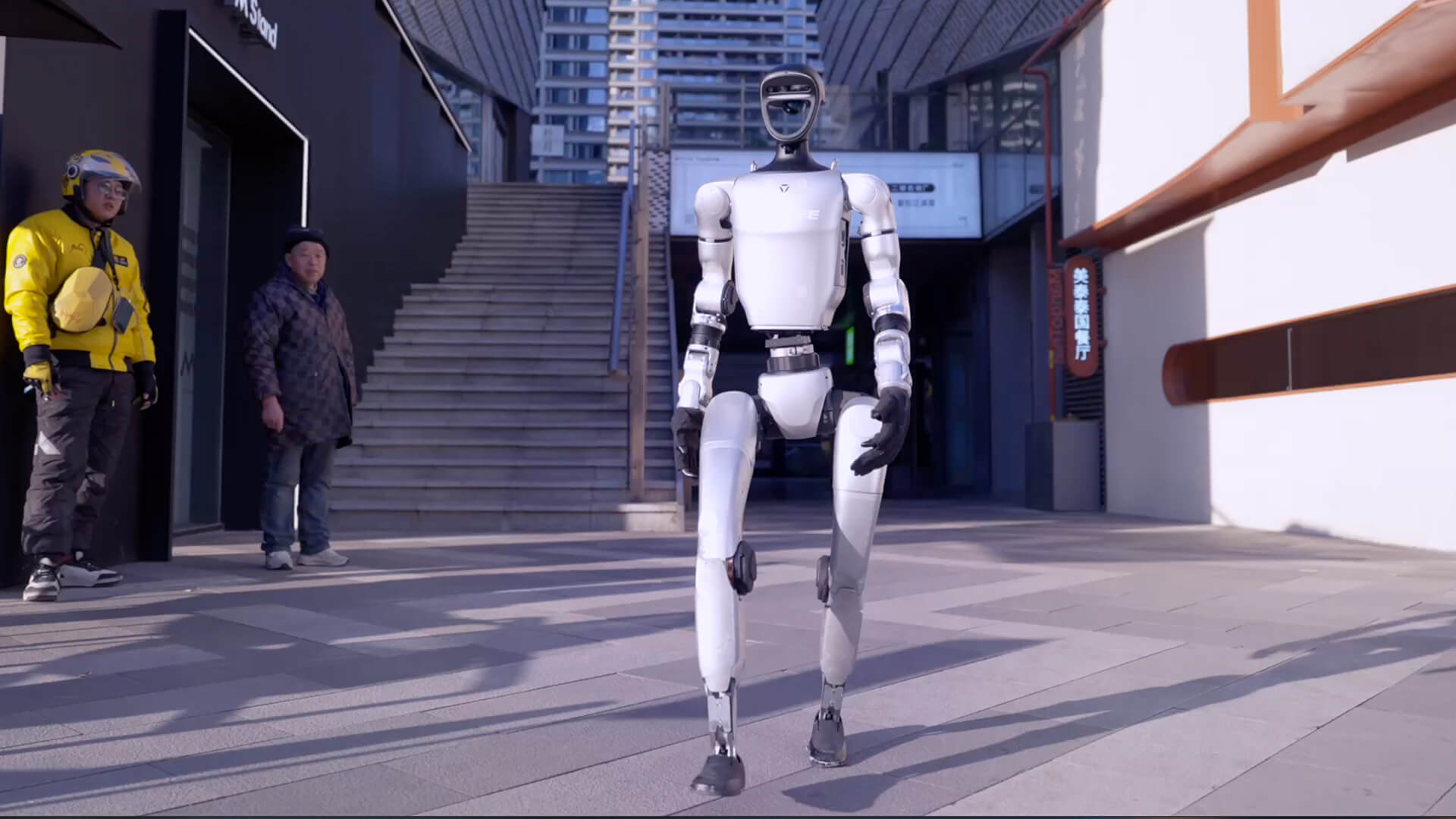
A Physical AI safety case study: ran a 29-joint humanoid through a four-part stress campaign and found the single most sensitive failure channel — corrupting joint feedback alone pushed risk to 43, while IMU, torque, and latency stayed near 3, even under heavy stress.
View case study →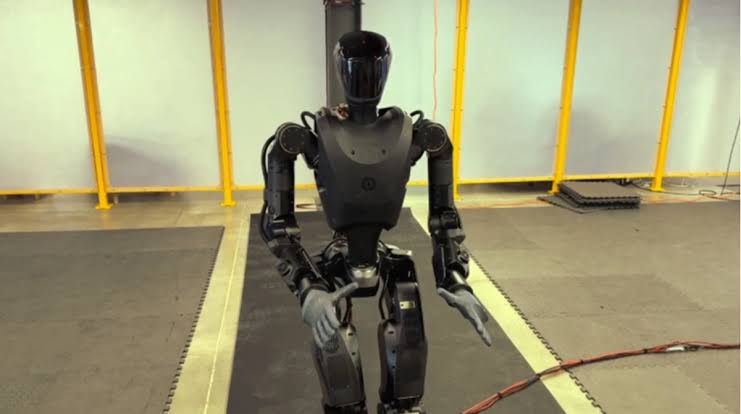
A Physical AI safety case study: set his patrol robot's safety-stop threshold below RideScan's own critical line — catching a risk score climb from 20 to nearly 100 within five cycles and halting the robot autonomously, with SMS alerts and live trajectory visualization built on top.
View case study →.jpeg)
A Physical AI safety case study: built a neuro-symbolic controller (NeSy-IV) that catches localization drift in autonomous warehouse robots — flagging anomalies at a 94.83 risk score against a stable 0.01 baseline, before they become collisions.
View case study →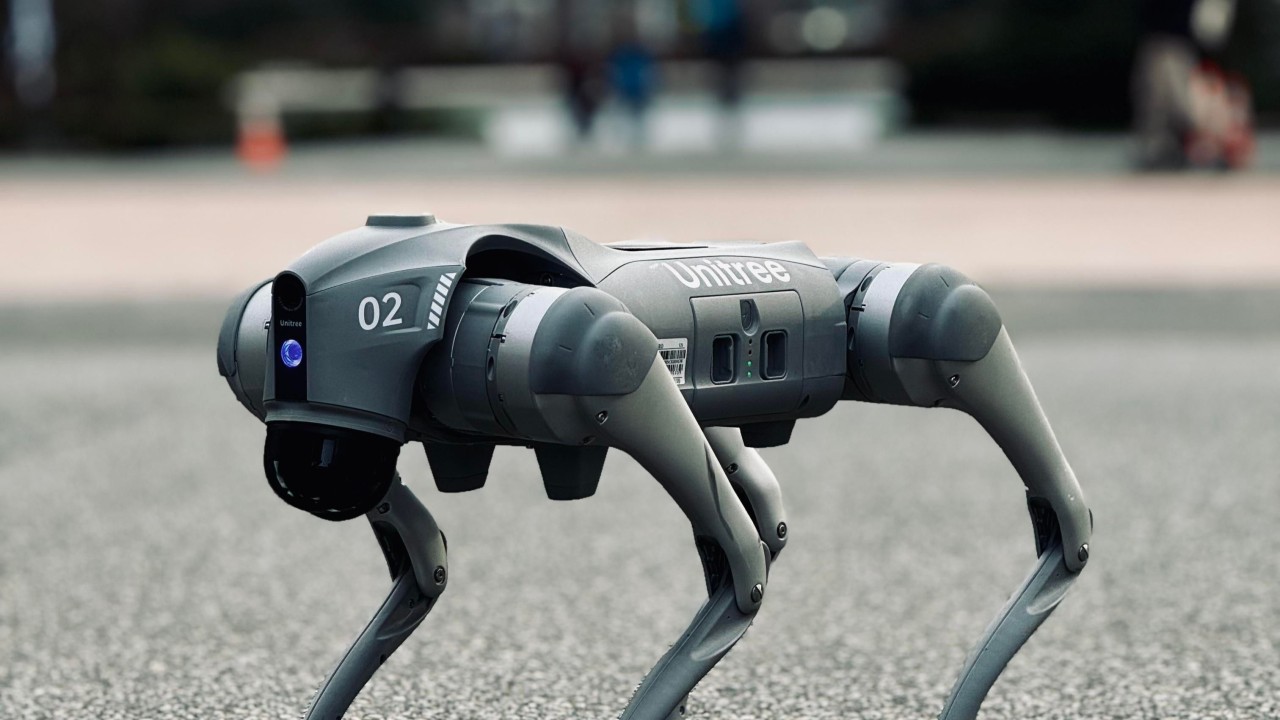
A Physical AI safety case study: ran a simulated Unitree Go2 hospital courier through RideScan and found the real anomaly was his own planner — switching from a stochastic MPPI controller to deterministic path trackers cut noise 50x and let all ten fault types separate cleanly from normal runs.
View case study →.jpeg)
A Physical AI safety case study: built a fully automated RideScan integration pipeline for a warehouse inventory-scanning AMR, then validated it by deliberately creating an extreme anomaly file that scored a perfect 100 — confirming the pipeline worked exactly as expected.
View case study →
A Physical AI safety case study: tested whether a faster collaborative robot means a riskier one — running a UR5e through a sandwich-making task at three velocity scales and finding no simple linear relationship between speed and RideScan's risk score.
View case study →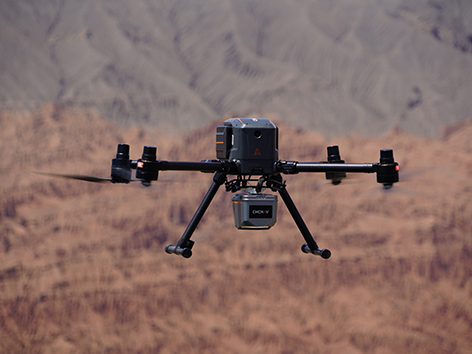
A Physical AI safety case study: used RideScan as an independent safety layer for a Drone-in-a-Box solar inspector — distinguishing a persistent motor thrust fault (RISQ 1.50→51.69) from a passing wind gust (93.79 spike, back to 2.10 once it cleared).
View case study →.jpeg)
Built a full RideScan integration for a three-robot tank-farm patrol fleet and explored how small variations between otherwise identical missions affect anomaly scoring.
View case study →.jpeg)
A Physical AI safety case study: built a plug-and-play URCap that runs RideScan directly on a UR5e's controller, then deliberately injected five distinct faults, from gearbox wear to motor replacement, to test detection repeatability and scoring consistency.
View case study →
